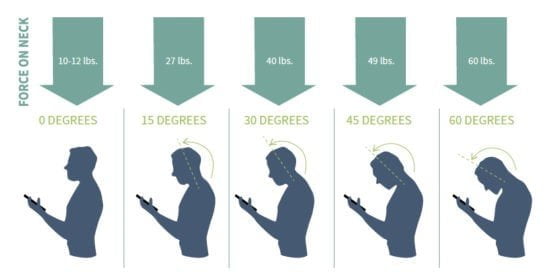
Many people are unaware that a significant percentage of chronic headaches are cervicogenic, meaning they originate from the neck.
How it works: Physiotherapists use manual therapy and postural correction to relieve pressure on the cervical nerves that trigger head pain
2. Vertigo and Dizziness (Vestibular Rehab)
That “spinning” sensation isn’t always a permanent condition.Vestibular Rehabilitation Therapy (VRT) is a specialized branch of physiotherapy designed to treat inner-ear imbalances.
The Treatment: Specific head maneuvers (like the Epley maneuver) and gaze-stability exercises can often resolve vertigo in just a few sessions.
The Physiotherapy Edge: By treating the muscles of the jaw and neck, a physiotherapist can reduce inflammation and restore normal bite mechanics without invasive dental surgery.
Pelvic floor physiotherapy is a “gold standard” for issues like urinary incontinence, pelvic pain, pain during sexual activity and postpartum recovery.
Why it matters: It involves retraining the deep core and pelvic muscles to support internal organs, a service highly relevant to the East Vancouver community’s growing families.
5. Digestive Health and Constipation
It sounds surprising, but movement is medicine for the gut.
The Science: Physiotherapists use visceral mobilization and specific core exercises to stimulate the digestive tract and improve motility, offering a drug-free alternative for chronic constipation.
6. Sleep Apnea and Sleep Quality
While a CPAP machine is common, physiotherapy can address the mechanical side of sleep.
The Approach: Improving lung capacity through respiratory exercises and correcting sleep posture can significantly reduce the severity of snoring and mild sleep apnea.
7. Mental Health: Anxiety and Depression
Physical movement is chemically linked to mental well-being.
The Connection: Supervised exercise programs release mood-boosting endorphins. Physiotherapy also reduces the chronic pain that often acts as a primary trigger for anxiety and “brain fog.”
Q: Do I need a doctor’s referral for physiotherapy in BC?A: No. In British Columbia, physiotherapists are primary health care professionals, meaning you can book an appointment directly without a referral.